
THE MAGICAL CHARM OF ULUWATU
A Harmony of Wild Nature, Sacred Culture, and the Evolution of Luxury on Bali’s Southern Edge
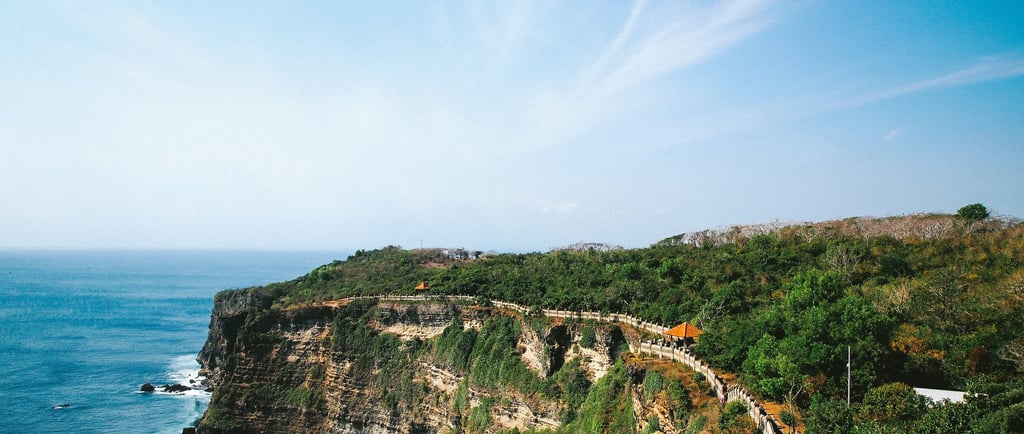
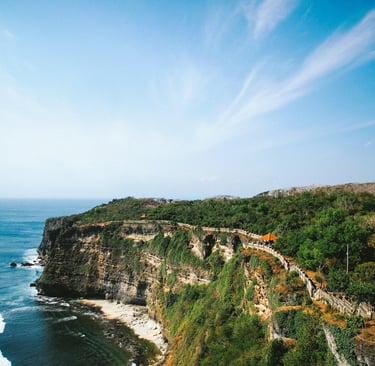
Underneath the southern skies of the Island of the Gods, the Bukit Peninsula conceals one of the most dramatic and breathtaking landscapes in Southeast Asia: Uluwatu. Renowned for its soaring limestone cliffs that ruggedly confront the fierce swells of the Indian Ocean, this region has seamlessly transformed from an isolated coastal outpost into a global epicenter of premium lifestyle, profound spirituality, and exclusive sanctuaries.
The name 'Uluwatu' itself derives from 'ulu' (meaning tip or peak) and 'watu' (meaning rock or cliff). This name serves as more than just a geographical marker; it is a poetic description of how life here thrives in tiers atop high cliffs, offering boundless horizon views found nowhere else on the island.
A World-Class Surfing Haven and Hidden Beaches
For the international surfing community, Uluwatu is nothing short of legendary. The waves here are famous for their remarkable consistency, massive size, and technical challenge, acting as a primary magnet for professional surfers since the 1970s. Hidden coastal stretches such as Suluban (Blue Point), Padang Padang, Bingin, and Dreamland offer the legendary 'left-hander' wave breaks that draw global enthusiasts year-round.
Accessing these beaches brings an adventurous allure of its own. To reach Suluban Beach, for example, visitors must descend through narrow cliff crevices and natural limestone caves before being greeted by pristine white sands and the open ocean expanse. Meanwhile, local clifftop warungs and minimalist-concept cafes perch seamlessly on the rock walls, creating a vibrant, relaxed, yet magical coastal community vibe.
Pura Luhur Uluwatu: A Spiritual Fortress Above the Clouds
No exploration of Uluwatu is complete without paying homage to Pura Luhur Uluwatu, one of Bali's six primary directional temples (Sad Kahyangan), revered as a spiritual pillar of the island. Standing majestically on the brink of a 70-meter cliff dropping vertically into the swirling sea, this sea temple is dedicated to guarding the island from evil southwest spirits.
Every evening, the temple grounds become the open-air theater for one of the most iconic cultural performances in the world: the Kecak Dance. Devoid of any musical instruments, relying entirely on the powerful, synchronized vocal chanting of dozens of men, the dance narrates fragments of the Ramayana epic. As the sun slowly dips below the horizon, painting the sky in deep shades of amber and violet, the elemental combination of fire, dramatic movement, mystical chants, and the open ocean backdrop creates an unforgettable impression.
The Evolution of Modern Luxury and Architectural Design
Over the past decade, Uluwatu has penned a brand-new chapter in its tourism narrative. The area has become home to an array of ultra-high-end luxury resorts, exclusive private villas, and elite beach clubs featuring cutting-edge architectural designs. Unlike other densely built areas of Bali, developments in Uluwatu place an immense value on privacy, low-density zoning, and seamless natural integration.
Architectural trends here are heavily dominated by premium minimalist styles, modern tropical aesthetics, and sustainable hospitality concepts. Many premium properties favor local raw elements such as natural stone, reclaimed timber, and expansive open-plan layouts to maximize raw daylight and ocean breeze circulation. The "cliff-front living" concept—featuring infinity pools that visually bleed directly into the open ocean—has established a new global benchmark of luxury, drawing intentional investors and travelers looking for absolute tranquility.
Conclusion: A Soul Remaining Untouched
Even as high-end modernization and premium amenities continue to flourish, Uluwatu meticulously retains its raw, authentic soul. It stands firm as a sanctuary where wild nature, sacred traditional rituals, and refined contemporary living coexist in absolute, effortless harmony. For anyone who steps onto its cliffs, Uluwatu leaves a lingering whisper to return—back to the edge of the rock, where time itself seems to move just a little slower.